How to start a garden when you have never grown anything
A calm, step-by-step way to go from bare ground or an empty balcony to plants that actually live.
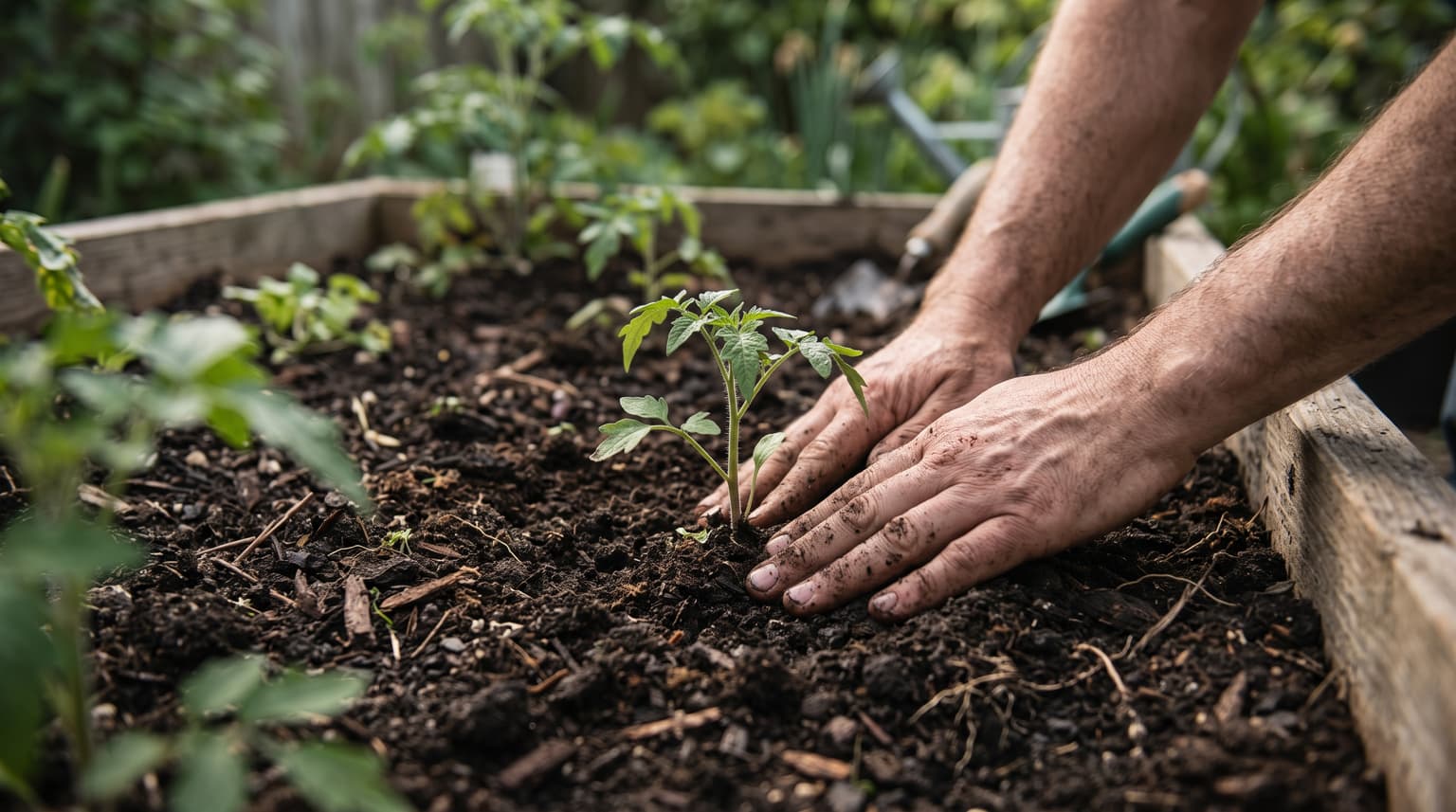
AI-generated image
The usual way people start a garden is to buy plants they like the look of, put them wherever there is space, and water them when they remember. A month later half of them are dead and the conclusion is “I have a black thumb.” You do not. You skipped the two decisions that matter and went straight to shopping.
A garden that lives comes down to light, water, and a few forgiving plants, in that order. Here is how to work through it without spending much or needing any experience.
Start with light, not plants
Light is the one thing you cannot add later. Before you buy anything, watch where the sun actually falls. Pick a day you are home and check the spot you have in mind in the morning, at midday, and in the late afternoon. Count roughly how many hours it gets direct sun.
Those hours put you in one of three groups, and almost every plant label uses the same words:
- Full sun is six or more hours of direct sun. This is what most vegetables, herbs, and sun-loving flowers want.
- Partial sun or partial shade is roughly three to six hours. Plenty of leafy greens and many flowers are happy here.
- Full shade is less than three hours of direct sun. It is more limiting, but far from hopeless.
If your only space faces away from the midday sun, that is not a failure, it just changes the plant list. Fighting your light is the quickest way to kill things.
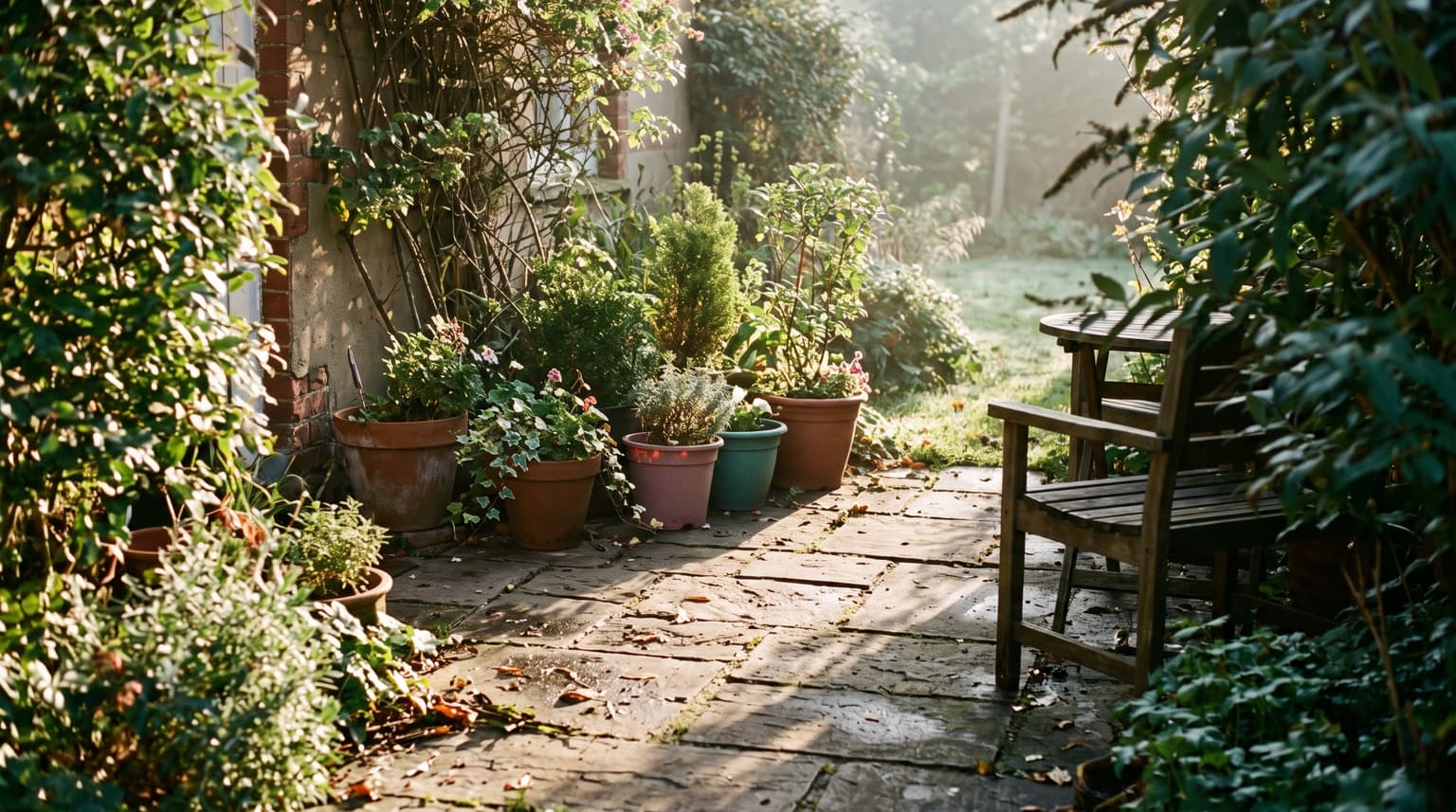
AI-generated image
Pick a spot you walk past
The second decision is about you, not the plants. A garden you have to make a special trip to see is a garden you will forget to water. Put your first plants somewhere you pass every day: beside the back door, along the path to the car, on the windowsill over the kitchen sink.
Proximity does more for a beginner than any amount of technique. You notice a wilting leaf while it can still be saved. You pull one weed instead of forty. The work stays small because you never let it pile up.
Containers or ground, and why smaller wins
If you have open ground, you can dig a bed. If you have a balcony or a hard yard, containers do the job. Either way, the common beginner mistake is going too big. A large bed is a large amount of watering, weeding, and watching before you know what you are doing.
Start with something you can tend in ten minutes: one raised bed about one metre by two, or three or four decent pots. You will learn the same lessons on a small plot as a large one, just without the overwhelm that makes people quit.
For containers, the two rules that matter most are drainage and size. Every pot needs holes in the bottom so water can escape, and most plants do better in a bigger pot than looks necessary, because a small volume of soil dries out fast and swings between soaked and bone dry.
The short list of tools worth buying
Garden centres sell a wall of tools. You need almost none of them to start. For a first season, this covers it:
- A hand trowel for planting and scooping compost.
- A watering can with a removable rose (the sprinkler head), or a hose with a gentle spray setting.
- A pair of secateurs or sharp scissors for trimming and harvesting.
- Gloves, if you prefer them, though many people garden happily without.
Buy the trowel and secateurs in reasonable quality, because cheap ones bend and blunt, and borrow or improvise the rest. You can add tools as a real need for them shows up, not before.
What to plant in your first month
Grow things that reward you quickly and forgive mistakes. Quick rewards keep you interested, and forgiving plants survive the learning curve. Good candidates for a sunny spot are lettuce and other salad leaves, bush beans, radishes, and hardy herbs like chives and mint. For a shadier spot, leafy greens and many houseplants are a better bet.
Whether you sow seeds or buy young plants is a question of patience. Seeds are cheap and satisfying but slower. Starter plants cost more and jump you ahead a few weeks. For a first go, a mix works well: a couple of starter plants for an early win, and a packet or two of fast seeds like radish or salad to learn how sowing feels.
Match everything to the time of year. A seed packet or plant label tells you the right season for your area, and it is worth trusting it. Planting a summer crop in the wrong month is the most common reason a keen start fizzles.
The habit that keeps a garden alive
The single thing that separates gardens that thrive from gardens that die is not knowledge, it is a short, regular look. Spend two minutes most days with your plants. Push a finger into the soil to feel whether it is dry. Turn a leaf over. Notice what has grown.
That habit is where everything else comes from. You will catch the dry pot before it wilts, the first few pests before they become many, and the moment a seedling is ready to move on. Gardening is not one big effort now and then. It is a small amount of attention, often, and almost anyone can manage that.