How to start a compost pile that doesn't smell
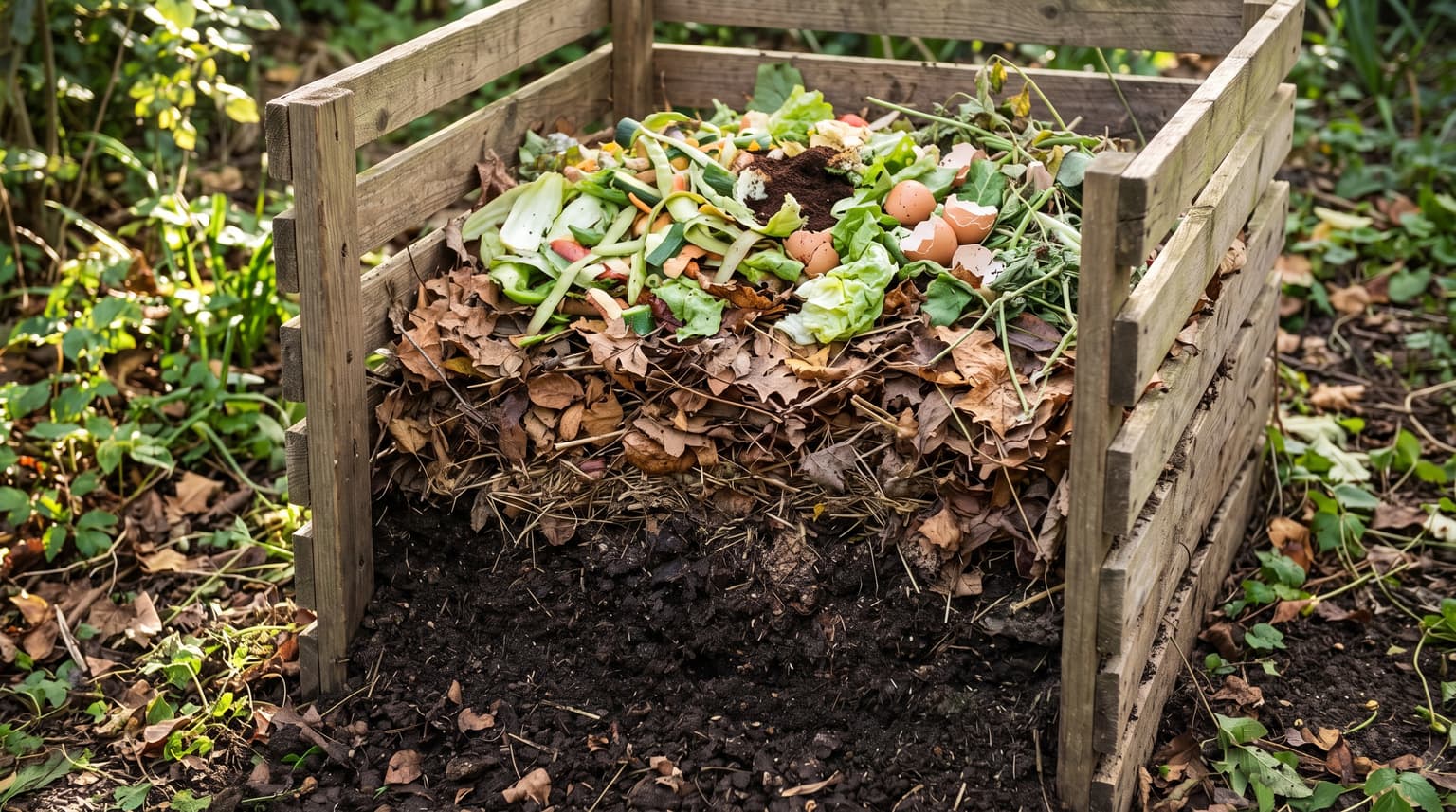
Compost is mostly about balance and air. Get those right and a bin in a small yard will never bother the neighbours.
AI-generated image
People avoid composting because they imagine a slimy, reeking heap that upsets the neighbours. A compost pile only smells when it is built wrong, and building it right is not complicated. Get two things in balance, air and moisture, and a bin in a small city yard will smell of nothing more than damp woodland.
Think in greens and browns
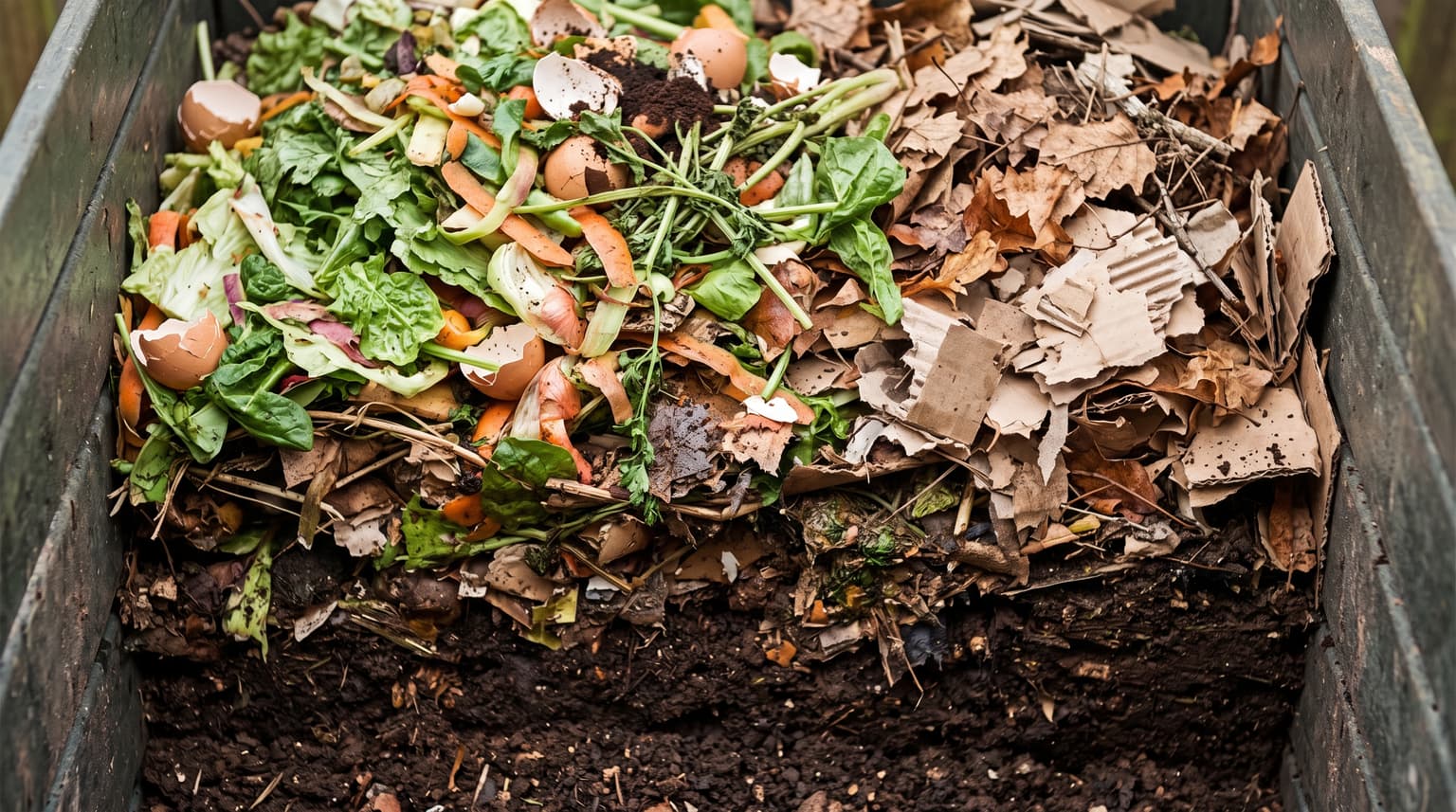
Composting is the controlled rotting of organic matter, and the organisms doing the work need a rough balance of two kinds of material:
- Greens are wet and nitrogen-rich: vegetable scraps, fruit peelings, coffee grounds, fresh grass clippings, soft plant trimmings. They provide the fuel but on their own turn into a wet, smelly sludge.
- Browns are dry and carbon-rich: dead leaves, cardboard, torn-up paper, straw, small woody prunings. They provide structure and air, and soak up excess moisture.
A smelly heap is almost always too many greens and not enough browns. Aim for roughly equal volumes, and when in doubt, add more browns. Keeping a stash of dry leaves or torn cardboard next to the bin makes this easy, so every time you tip in a load of kitchen scraps you can cover it with a handful of browns.
AI-generated image
What goes in, and what stays out
Most kitchen and garden waste is fair game: vegetable and fruit scraps, coffee grounds and paper filters, tea without plastic bags, crushed eggshells, garden prunings, dead leaves, and plain cardboard and paper. A few things are worth keeping out of a simple home bin.
Air and moisture are what stop the smell
The bad smell of a failing heap is the smell of airless rot. When a pile is too wet and packed down, oxygen cannot get in, and different microbes take over that produce those sour, eggy odours. The fix is air and the right dampness.
A compost heap should feel like a wrung-out sponge: moist, but not dripping. If it is soggy, mix in more browns. If it is bone dry, nothing rots, so add some greens or a little water. Turning the pile, lifting and mixing it with a fork every week or two, pushes fresh air through and is the single best thing you can do to speed it up and keep it sweet.
A simple method to start
You do not need to buy anything fancy. A basic bin or even a contained heap in a corner works:
- Put the bin on bare soil if you can, so worms and other organisms can move in from below. On a hard surface, start with a layer of twigs for drainage and air.
- Begin with a layer of browns at the base.
- Add kitchen and garden waste as it comes, and cover each load of greens with a handful of browns.
- Turn it every week or two, and check the moisture when you do.
- Wait. Depending on the weather and how often you turn it, you will have dark, crumbly, earthy-smelling compost in roughly six months to a year.
Finished compost is ready when it is dark brown, crumbly, and smells of earth rather than of its ingredients. Spread it on beds, mix it into pots, or use it as a mulch. It is the cheapest and best soil improver there is, and it was going to be thrown away.