The garden pests actually worth worrying about
Most insects in a garden are harmless or helpful. How to spot the few that cause real damage and deal with them proportionately.
AI-generated image
The instinct when you see an insect on a plant is to reach for a spray. It is almost always the wrong instinct. A garden teeming with insects is a healthy garden, and the great majority of them are harmless or actively useful, pollinating flowers and eating the ones that do cause harm. Spray indiscriminately and you kill the allies along with the enemies, and the problems usually come back worse.
Most of what you see is fine
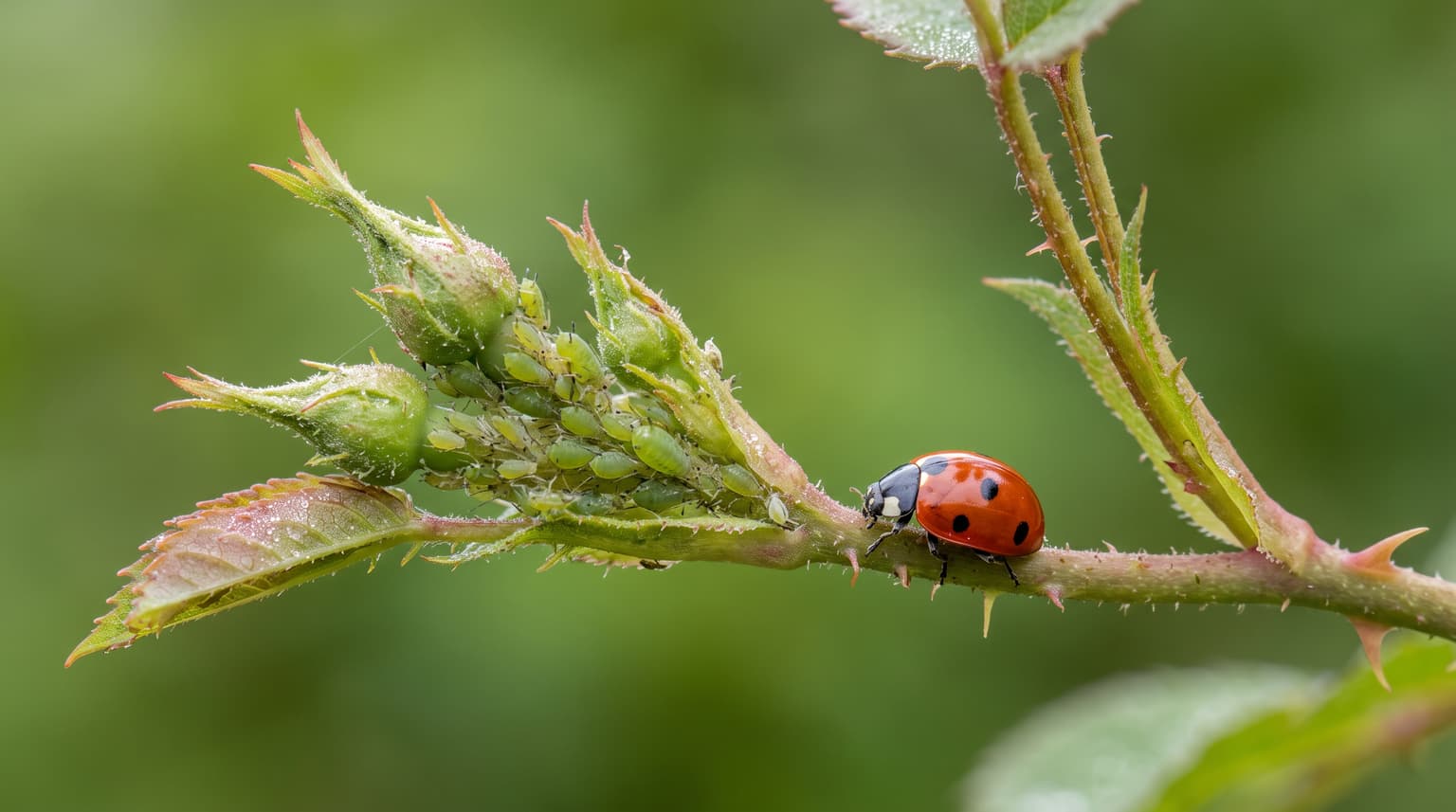
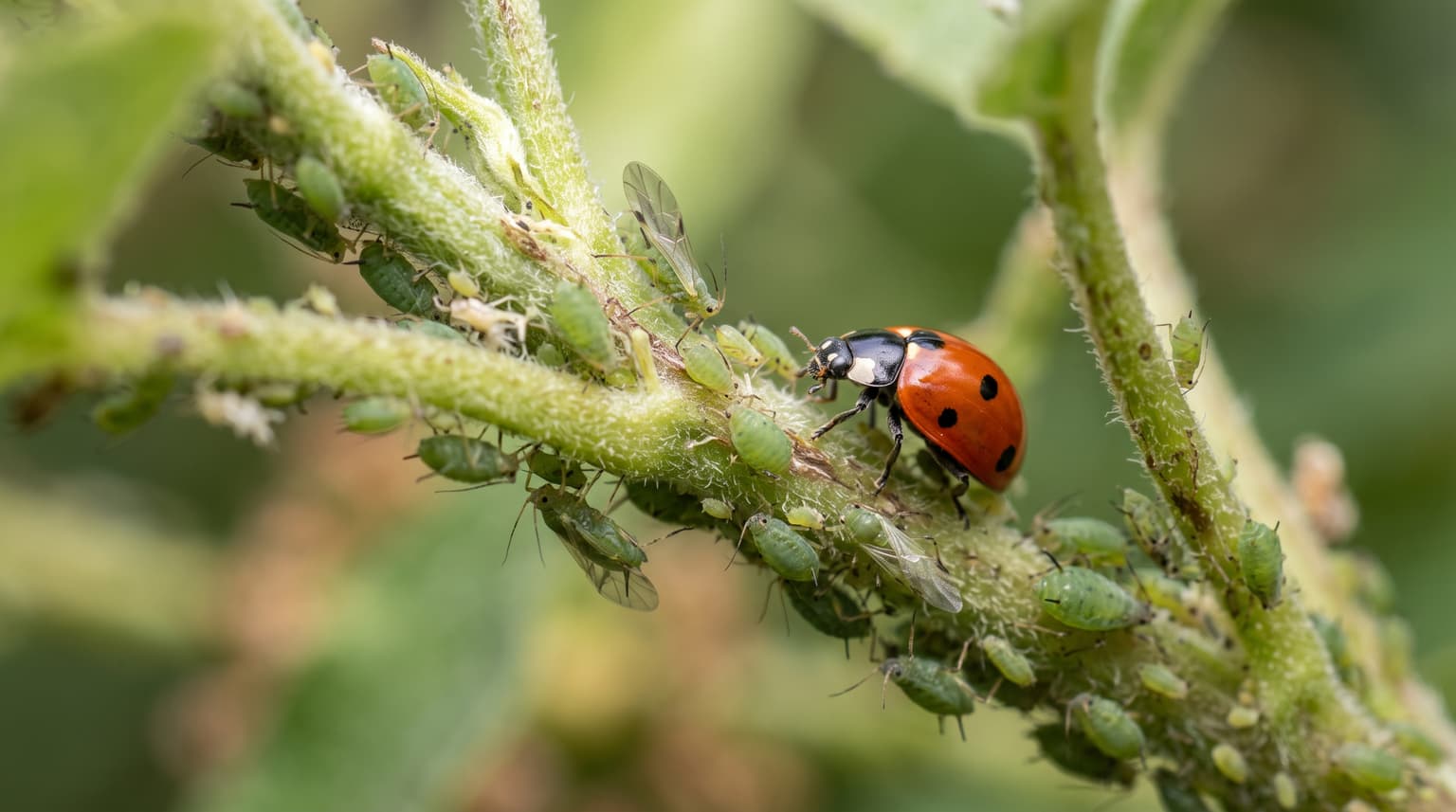
Bees, hoverflies, ladybirds, lacewings, ground beetles, spiders, and earthworms are all working for you, and so are most of the insects you cannot name. Many predators eat large numbers of the pests that do damage. A ladybird and its larvae can get through hundreds of aphids. Leave the ecosystem mostly alone and it does a lot of pest control for free.
So the first step when you see damage is not to act but to identify. Work out what is actually causing the problem and whether it is doing enough harm to be worth your attention. Often the answer is no.
The few that cause real damage
A handful of pests genuinely earn the name across many gardens. Learn these and you can relax about the rest.
- Aphids (greenfly and blackfly) cluster on soft new growth and flower buds, sucking sap and distorting growth. Small numbers are nothing; large infestations weaken plants and spread disease.
- Slugs and snails are the classic nemesis, especially of seedlings and soft leafy plants. They feed at night and in damp weather, leaving ragged holes and slime trails.
- Caterpillars can strip brassicas (cabbage family) and some other plants fast. A few chewed leaves do not matter; a build-up on a prized crop does.
- Vine weevil is the one that catches people out, because the damage is hidden. The grubs eat roots, mainly of plants in pots, and the first sign is often a plant that wilts and collapses for no visible reason.
AI-generated image
Dealing with them proportionately
The principle is to start with the gentlest method that could work and escalate only if you have to. For most of these pests, you rarely need to go far up the ladder.
- Aphids: a strong jet of water knocks them off, and squashing a cluster by hand deals with the rest. Given a few days, ladybirds and hoverfly larvae usually move in. Only reach for a spray if a plant is genuinely overwhelmed.
- Slugs and snails: go out after dark with a torch and collect them, protect vulnerable seedlings with barriers, and water in the morning rather than the evening so the ground is drier at night when they feed.
- Caterpillars: pick them off by hand and check the undersides of leaves for eggs. Fine netting over brassicas stops the butterflies laying in the first place.
- Vine weevil: inspect the roots of collapsed pot plants for the white, c-shaped grubs. Biological controls, tiny beneficial nematodes watered into the compost, are an effective and targeted option.
Prevention beats treatment
The most effective pest control is not a product, it is a garden that looks after itself. Healthy, unstressed plants shrug off damage that would overwhelm a weak one, so the basics, right plant for the spot, decent soil, consistent watering, do more than any spray.
Beyond that, grow a variety of plants rather than a single crop, which stops any one pest building up unchecked, and include flowers that attract predatory and pollinating insects. Check plants regularly so you catch a problem while it is small, when a minute of hand-picking replaces a crisis later. A diverse, well-tended garden keeps its own pests in balance, and your job is mostly to watch and step in only when you truly need to.