What to do in the garden in early spring
The jobs that set up the whole year, from clearing beds to the first sowings, without jumping the gun on frost.
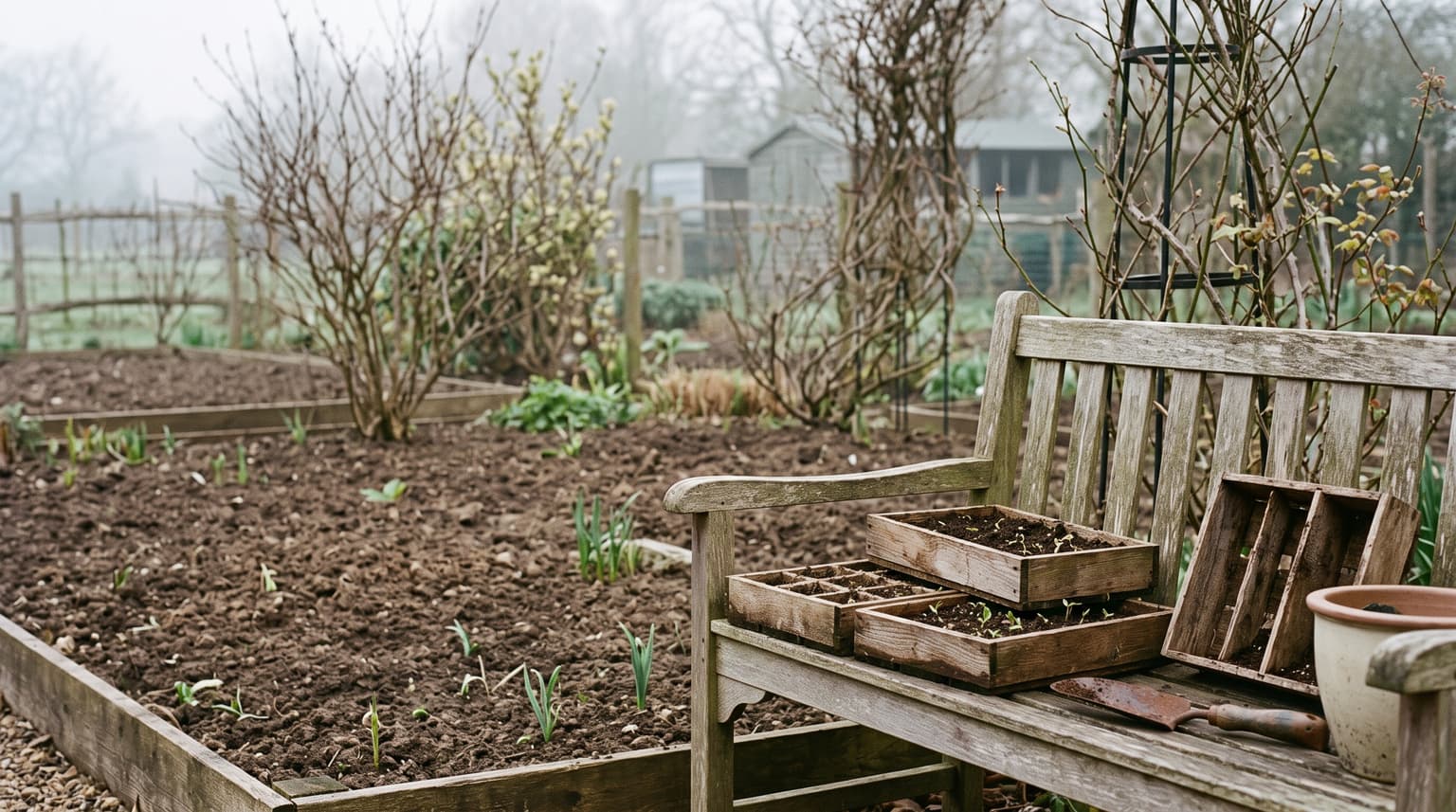
AI-generated image
Early spring is the most tempting time in the garden and the easiest to get wrong. The first mild, bright days make everyone want to plant everything at once. Some of that urge is right, there is real work to do, and some of it will get your plants killed by a late frost. The trick is knowing which jobs set up the whole year and which ones should wait a few more weeks.
The frost is the real clock, not the weather
Spring timing varies enormously by location, so no calendar date works everywhere. The number that matters is your average last frost date, the point after which hard frosts are unlikely in your area. A local garden centre or extension service can tell you roughly when it falls.
Everything below is organised around that date, not around a warm week. A run of sunshine in early spring is not the end of winter, and tender plants put out too soon are the most common early-season loss.
Jobs to do now, frost or not
These do not depend on frost and set up everything that follows:
- Clear and tidy beds. Remove dead growth left over winter, pull early weeds while they are small, and clear away debris that hides slugs and disease.
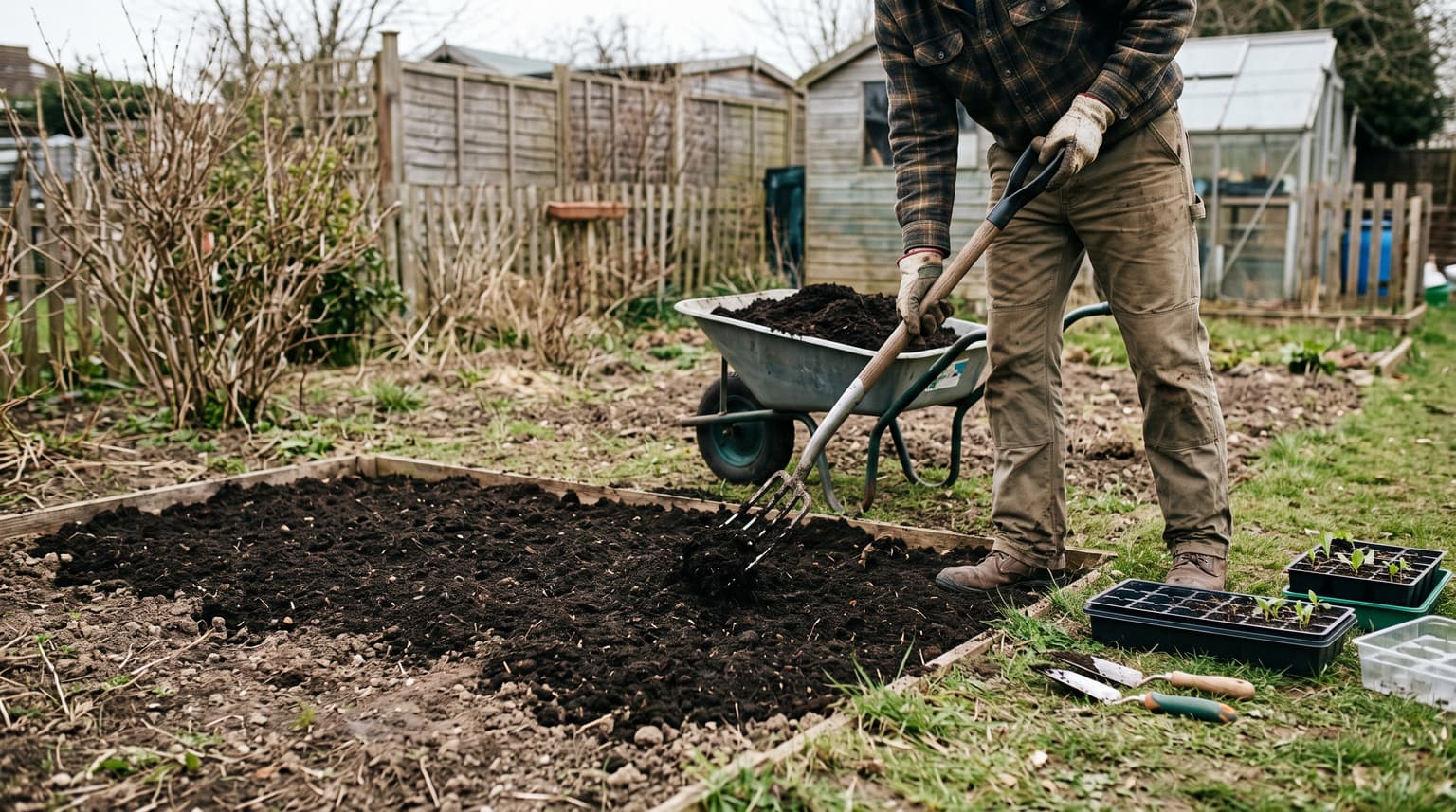
- Improve the soil. Spread a layer of compost or well-rotted manure over beds. There is no need to dig it in deeply; the worms will take it down. Avoid walking on or working soil while it is sodden.
- Prune where it is due. Many summer-flowering shrubs and roses are pruned in early spring before growth takes off. Hold off on spring-flowering shrubs until after they bloom, or you cut off this year's flowers.
- Tend the lawn and edges. Rake out winter debris and tidy bed edges. Hold off hard mowing until growth is properly underway.
- Clean pots and tools. A wet early-spring day is well spent washing seed trays and sharpening tools before the rush begins.
AI-generated image
What is safe to sow
Hardy plants that tolerate cold can be started early. Indoors or under cover, you can sow many vegetables and flowers to get a head start, ready to plant out once conditions allow. Outdoors, directly into the ground, hardy crops and hardy annual flowers can go in as soon as the soil is workable and starting to warm.
A simple test for whether soil is ready to sow into: grab a handful and squeeze. If it forms a cold, wet ball that stays packed, it is too wet and cold, so wait. If it crumbles apart, it is ready. Sowing into cold, waterlogged soil usually just rots the seed.
What should wait
Tender plants, the ones frost kills, should not go outside until after your last frost date and the soil has warmed. This includes summer vegetables like tomatoes, courgettes, beans, and peppers, and tender bedding flowers. You can start many of them indoors now so they are ready to plant out later, but resist the urge to put them outdoors early.
It is the hardest discipline of the gardening year, because everything in the shops pushes you to buy and plant. Starting the frost-tender crops a few weeks later, into warm soil, almost always produces stronger plants than rushing them out into cold ground where they sit and sulk. Patience now is repaid all summer.