Getting started
How to start a garden when you have never grown anything
A calm, step-by-step way to go from bare ground or an empty balcony to plants that actually live.
Practical gardening guides for real gardens and real schedules. How to start, what to plant, how to keep things alive, and what to do when they struggle.
A calm, step-by-step way to go from bare ground or an empty balcony to plants that actually live.
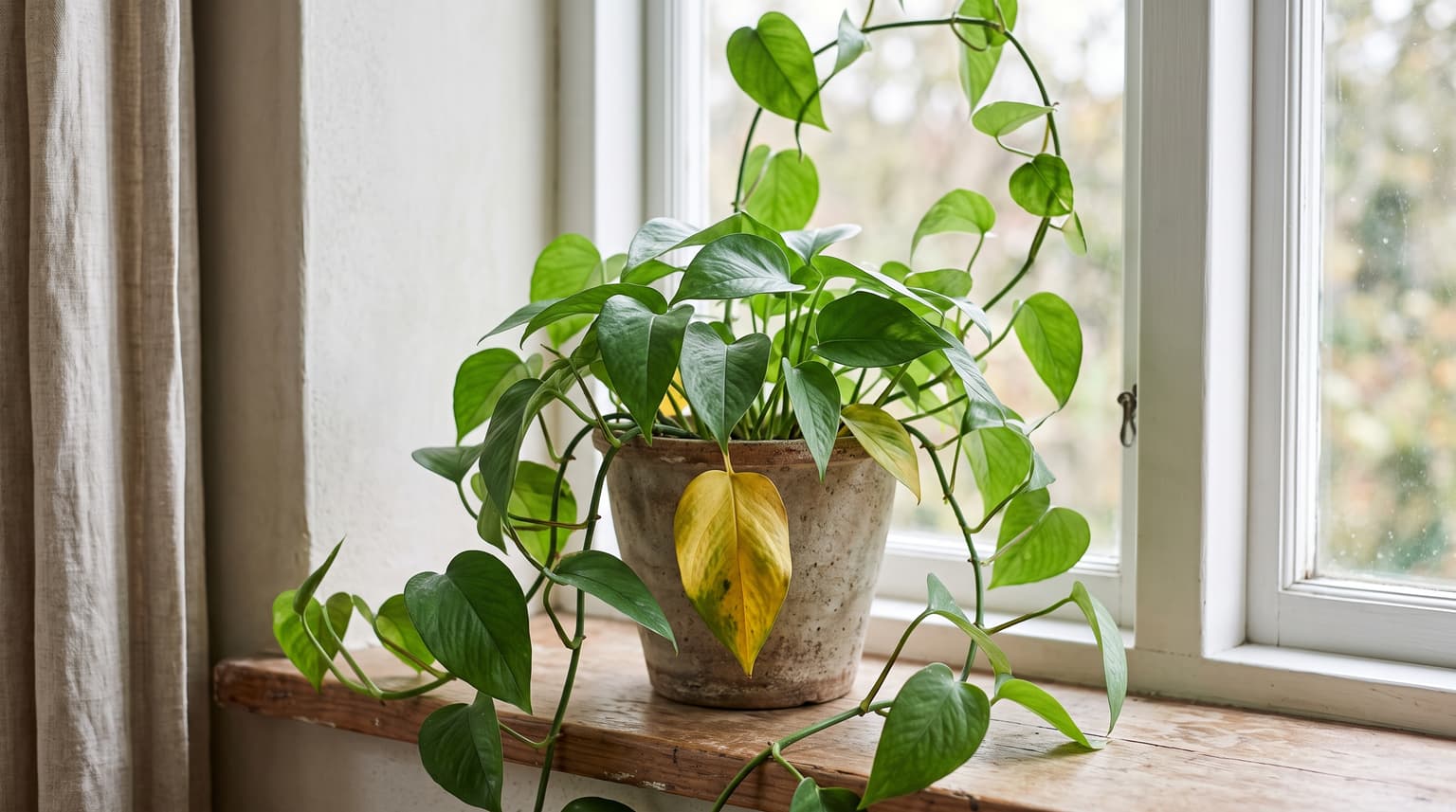
A yellow leaf can mean too much water, too little light, a hungry plant, or nothing worth worrying about. Work through the causes in order instead of guessing.
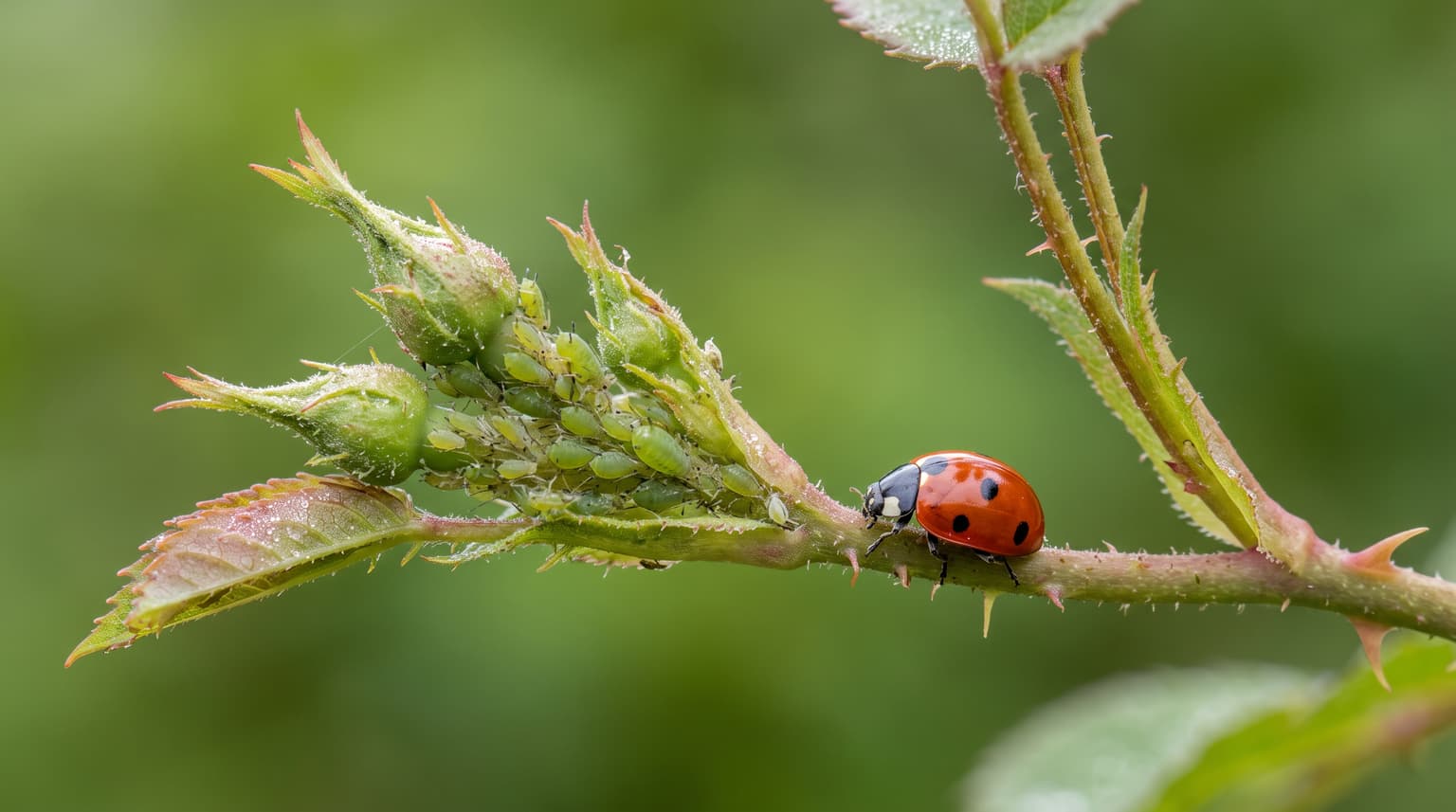
A garden full of insects is a healthy garden. Only a handful do damage worth acting on. Learn those few, and you can leave the rest, and their predators, to do their work.
The usual advice is to grow what you eat. The better advice for a first year is to grow what is hard to kill and quick to reward. These five crops do both.
The pot of basil from the supermarket is not one plant, it is fifty crammed together and sold to die. Split it, repot it, and give it the light it wants, and it keeps going.
Perennials are a long game. For colour this year, sow hardy annuals. They are cheap, forgiving, and most will flower within a few months of going in the ground.
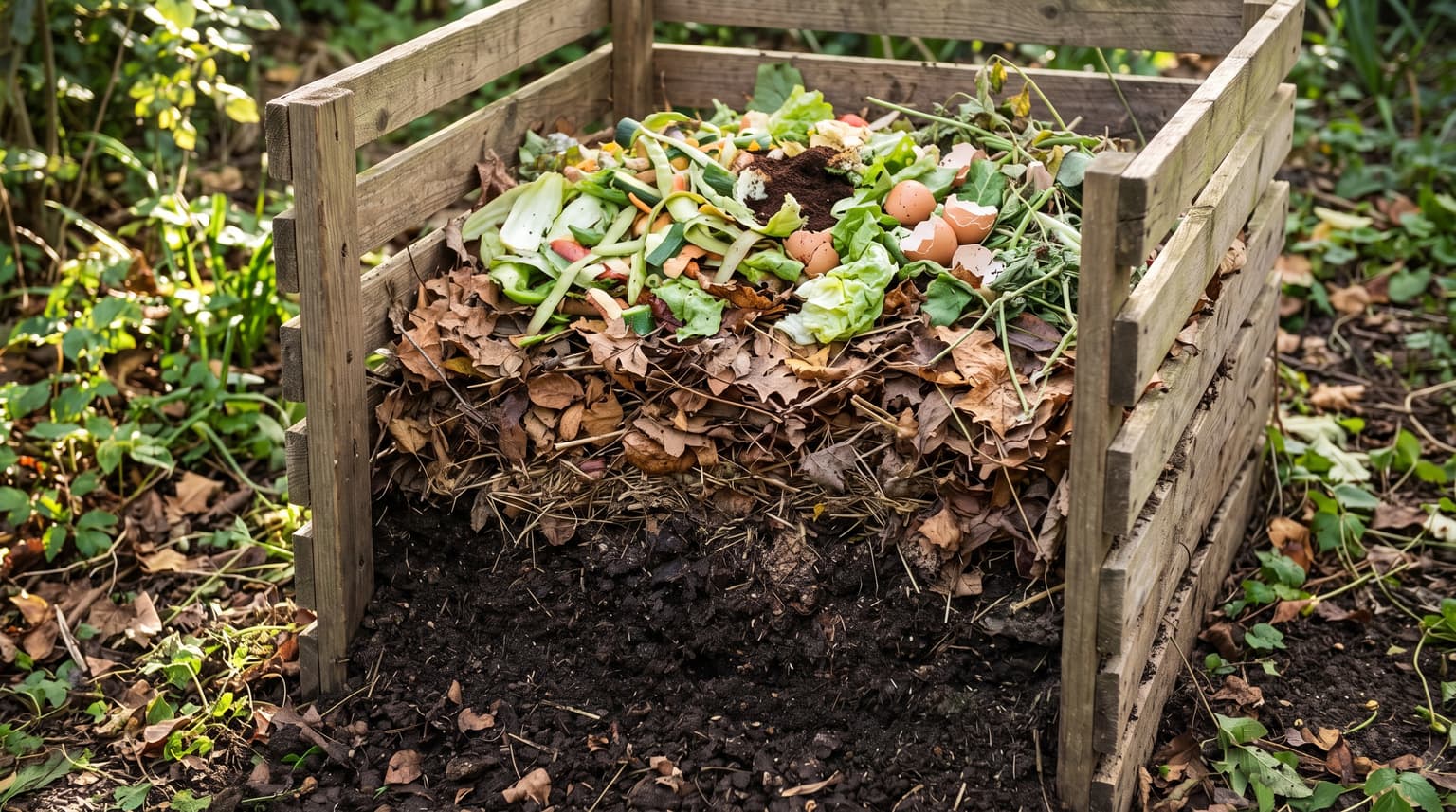
A smelly compost heap is almost always too wet and too short of air. Balance your greens and browns, turn it now and then, and the smell problem solves itself.
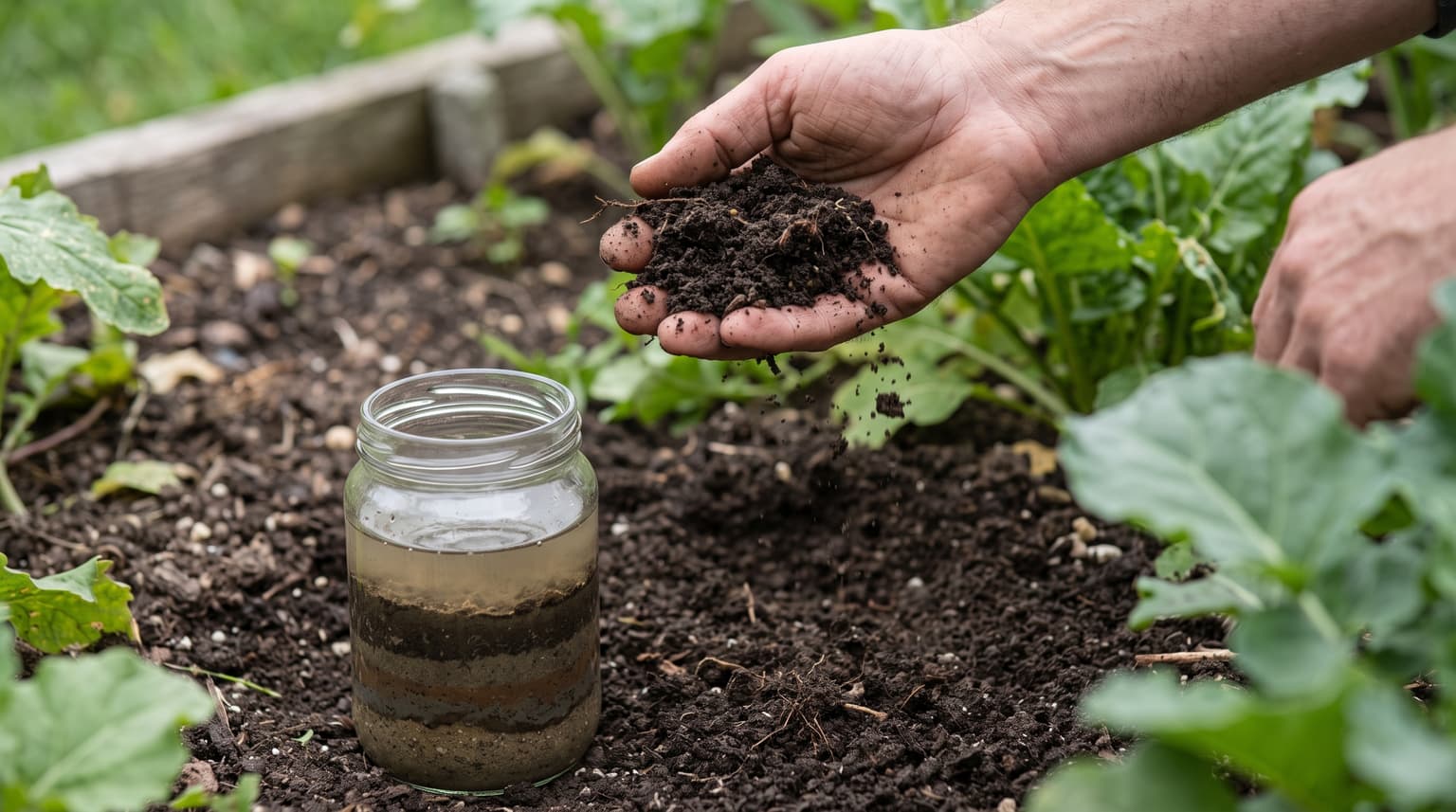
Before you spend money on plants, spend ten minutes on your soil. A simple jar test shows whether you are working with sand, clay, or something in between, and that changes everything.
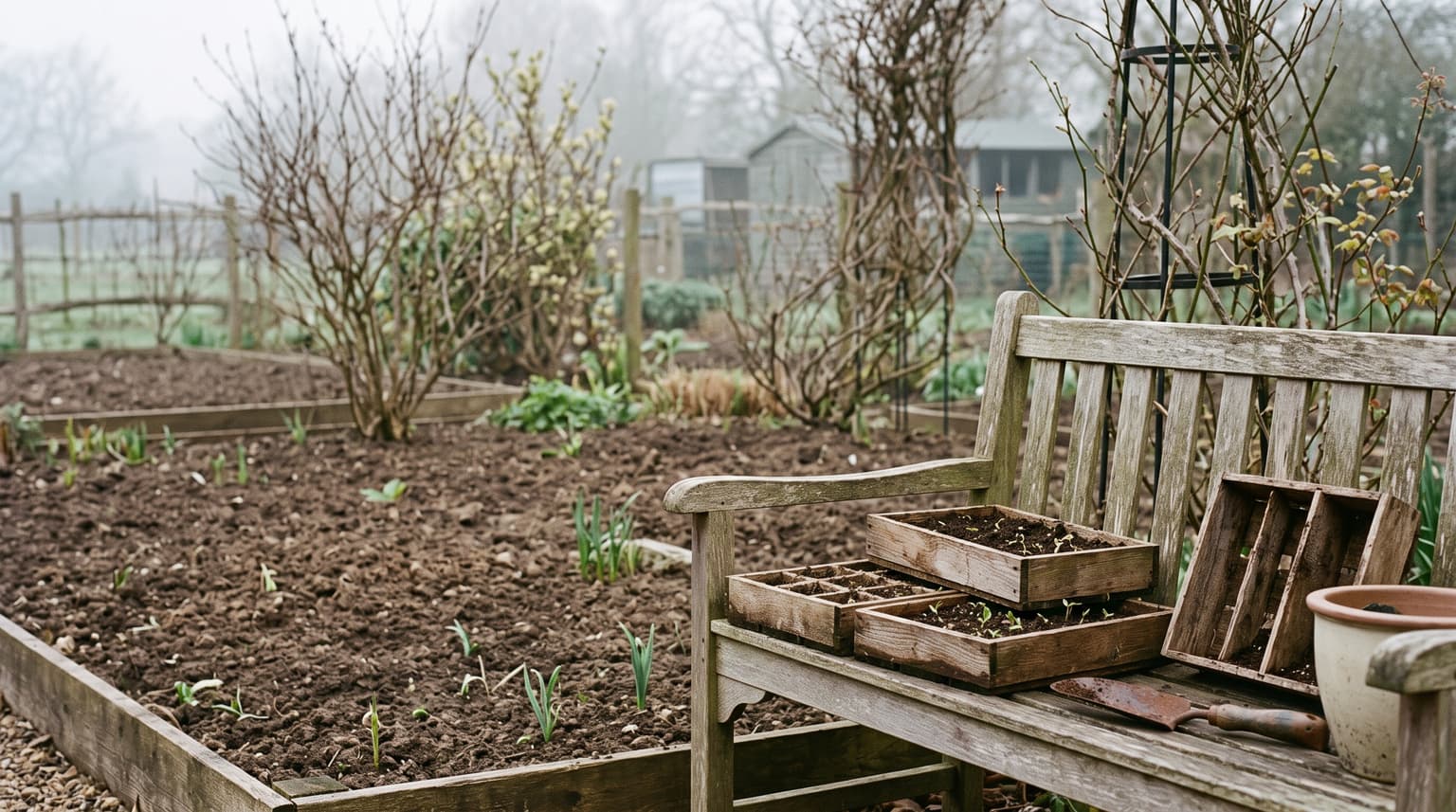
Early spring is tempting and dangerous. There is plenty to do, but a warm week is not the same as the end of frost. Here is what is safe to start now and what should wait.
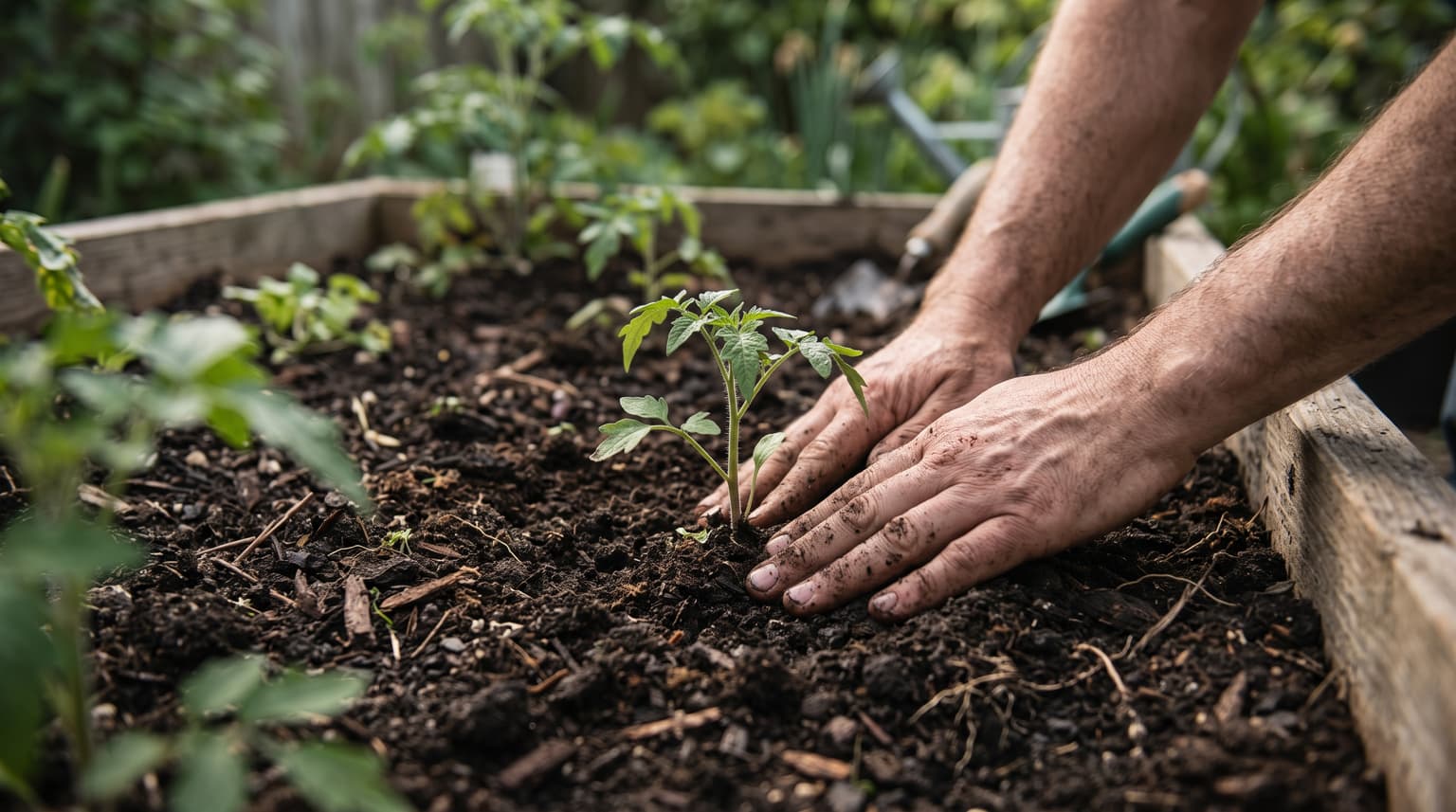
If you have never kept a plant alive, this is where to begin. The first decisions, the tools that actually matter, and how to avoid the mistakes that make people give up in the first month.
Growing things indoors has its own rules: less light, drier air, and no rain to bail you out. How to choose plants that suit your rooms and keep them healthy through the year.
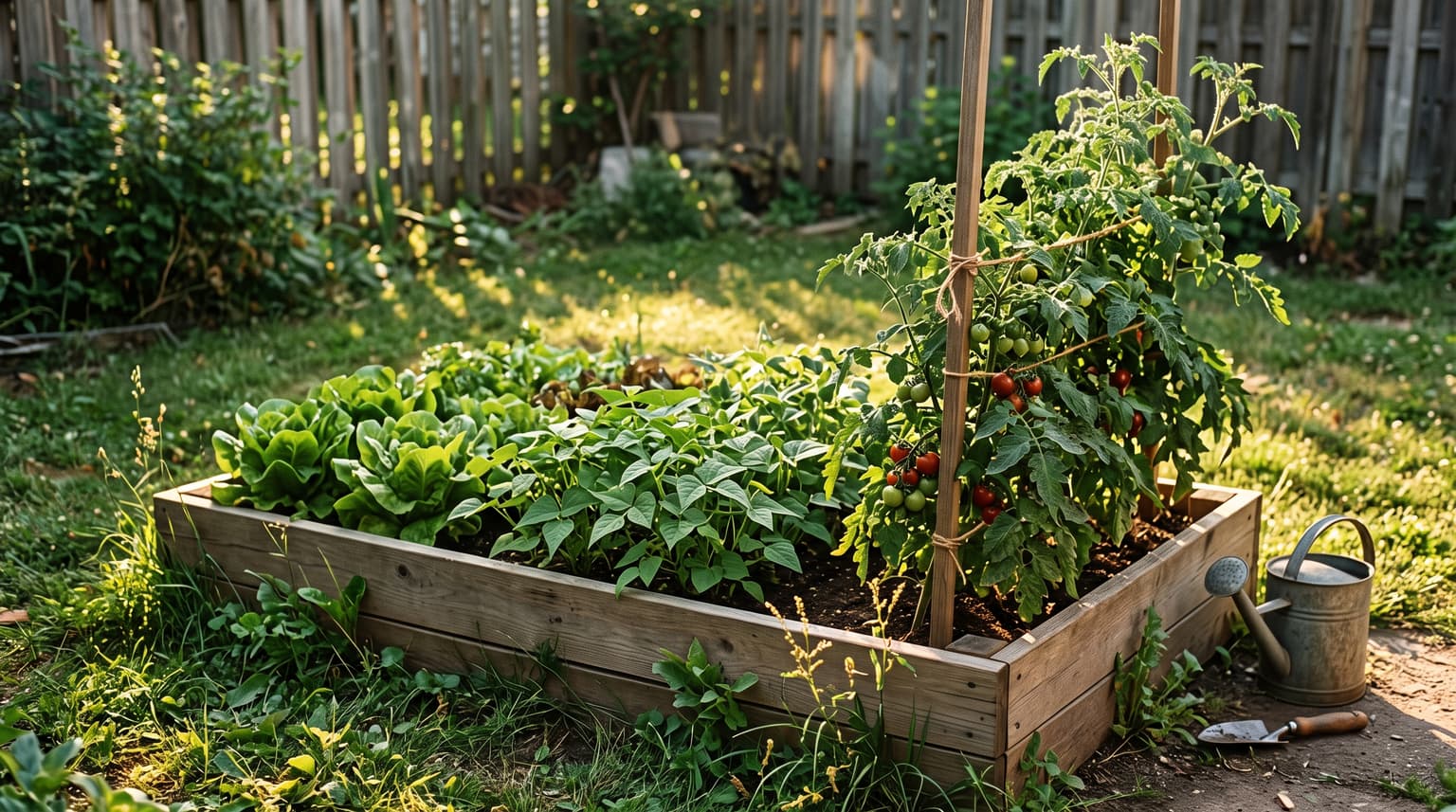
Food you can grow without a farm. Vegetables and herbs that give a real harvest from a bed, a few pots, or a sunny windowsill, chosen for flavour and for how forgiving they are.
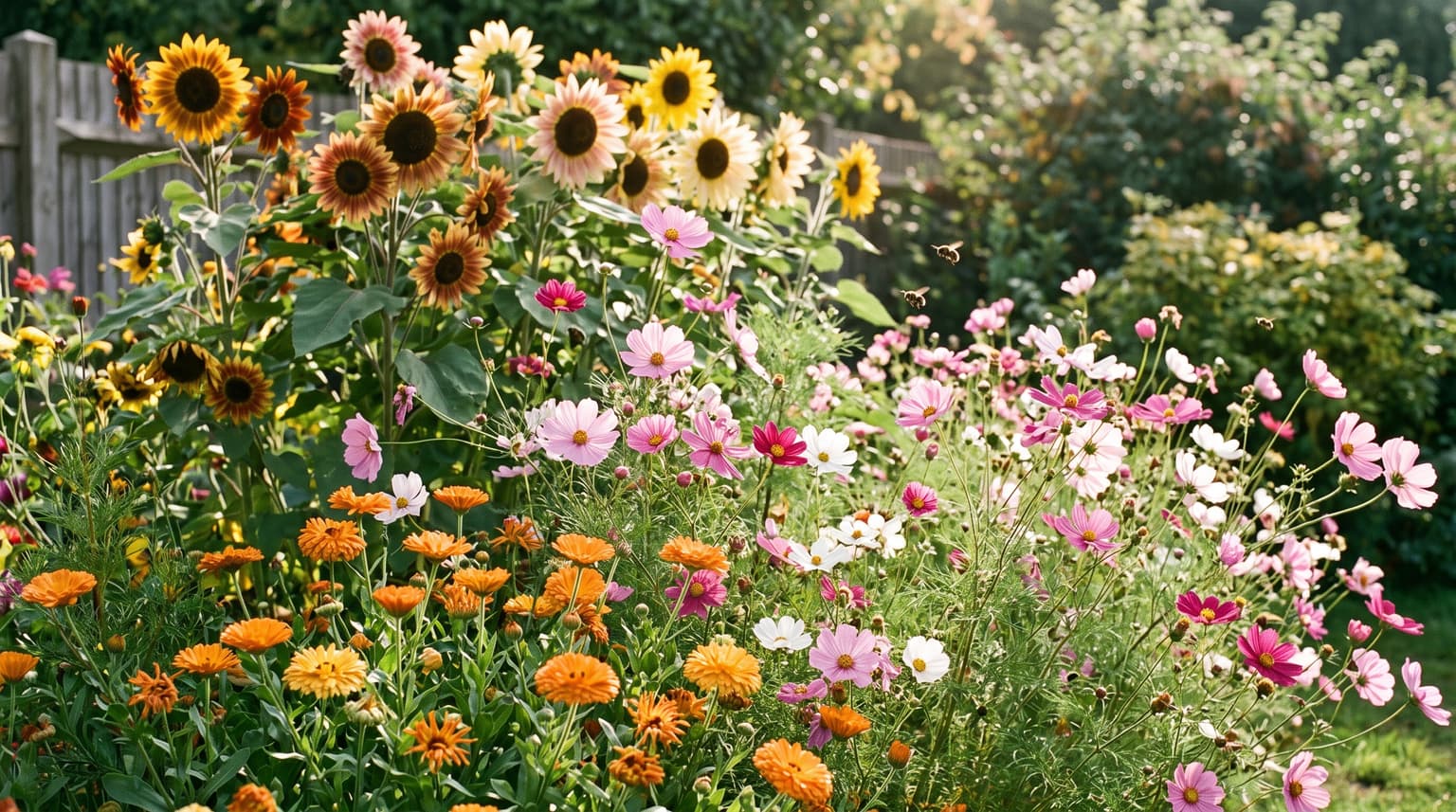
Flowers for colour through the seasons and for the bees and butterflies that depend on them. What to sow, what to plant, and how to keep a bed in bloom for longer.
Good gardens start under the surface. How to read your soil, improve it over time, and turn kitchen and garden waste into compost that plants respond to.
Gardening runs on a calendar. Practical checklists for each part of the year so you do the right jobs at the right time, in the right order.
Yellow leaves, holes in the foliage, and plants that sulk for no obvious reason. How to work out what is wrong and decide when a problem is actually worth treating.